From the ice to the emergency room, one lesson has followed me everywhere: progress is rarely a straight line. You can work for years to build strength, discipline, and trust – but if you slip into complacency, you can lose ground quickly. In hockey, you can feel that momentum shift in a single game. In medicine, the stakes are far higher.
When we talk about global health, we’re talking about that same delicate balance between momentum and setback. We’re talking about the responsibility to strengthen global health systems – not only out of compassion, but because Canada’s health is fundamentally linked to the health of people everywhere.
Right now, Canada is deciding its next move with The Global Fund to Fight AIDS, Tuberculosis and Malaria. From where I stand, as someone who has spent a career relying on strong teams and strong systems, this isn’t just the right thing to do. It is one of the smartest, highest-impact public health investments we can make as a country.
AIDS, TB, and malaria haven’t disappeared or gone away. They remain among the world’s leading infectious killers and continue to take millions of lives every year. Treating them as “someone else’s problem” would be ignoring the reality of the world we live in, where health threats cross borders faster than ever and failing to act puts Canadians at risk.
The Global Fund remains one of the most effective health partnerships in history. Since 2002, it has helped save over 70 million lives and cut global deaths from these diseases in half. It has built diagnostic networks, strengthened local laboratories, and trained community health workers across more than 100 countries. These are the systems that detect new outbreaks and contain them before they spread to countries like ours. It’s our first line of defence against future pandemics.
The return on investment speaks for itself: every dollar invested in The Global Fund delivers an estimated $19 in health and economic gains according to independent impact modelling. Preventing a crisis is always cheaper, and far more effective, than responding once it’s out of control. It’s no different from preventing an injury before it takes you out for the season. Few investments by our government offer this kind of impact.
If Canada were to reduce its support for The Global Fund, the consequences would be real and immediate: rising infections, preventable deaths, and weakened health systems around the world. COVID-19 made it painfully clear to all of us that diseases know no borders. Ignoring disease in one part of the world doesn’t protect us; it endangers us.
Canada has a proud history in global health. We were early leaders in responding to HIV with evidence, compassion, and partnership. We helped build the very model of cooperation that The Global Fund embodies. And Canadian researchers and innovators are shaping treatments and diagnostics used worldwide. This track record is part of the leadership that Canadians have always taken pride in. It’s why I have always been so proud to wear the maple leaf at Olympic Games and around the world.
We are, at the end of the day, a soft power nation of 40-million people. Canada’s influence has never come from our size, but from the impact of what we choose to build – stronger systems, stronger partnerships, and investing in solutions that last.
Now we stand at a pivotal moment. We have the tools to end AIDS, tuberculosis, and malaria as global health threats within a generation. The question is no longer whether it is possible, but whether we will commit to finishing the job.
As an athlete, I know what it means to push through the final period when fatigue sets in. That’s when character shows. This moment for Canada is no different.
We shouldn’t back off. We shouldn’t lose focus. We need to stay the course and sustain our support for The Global Fund.
Because a healthier world isn’t just the right thing to fight for – it’s one of the smartest investments we can make for our own future.
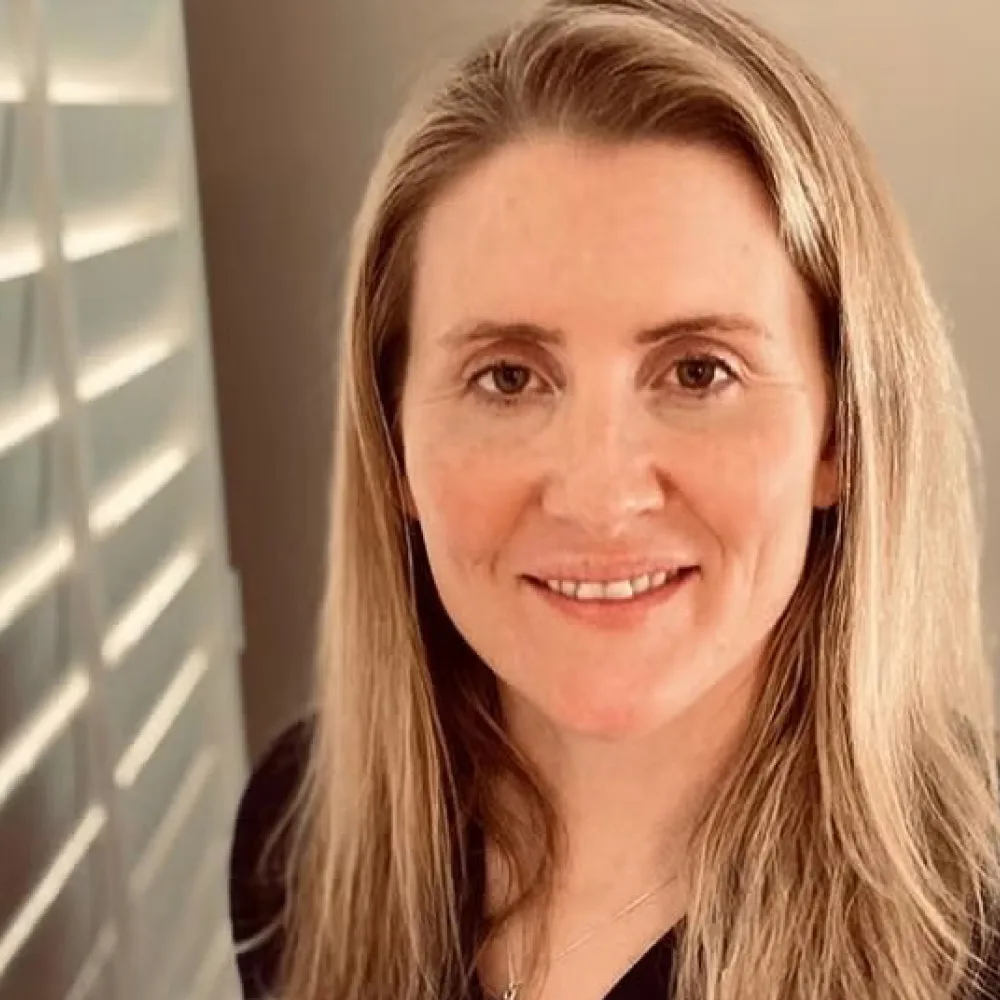
Dr. Hayley Wickenheiser is a four-time Olympic gold-medallist, assistant general manager of player development to the Toronto Maple Leafs, and a practising family and emergency medicine physician.