


The Carney government has two crucial policy decisions to make on clean energy in the coming days that will help determine the country’s carbon emissions path for years to come.
Both involve the fate of the federal Clean Electricity Regulations (CER), which are one of the most important policy tools Canada has for driving investments in clean, low-emitting power.
The first decision point will come with the final negotiated settlement with Alberta over the joint memorandum of understanding (MOU).
Previously, the federal government agreed to suspend the regulations in the province until both parties finalized an agreement on industrial carbon pricing, which is Canada’s most powerful lever to cut emissions and protect competitiveness. Long-term suspension of any federal environmental regulation in the province requires an equivalency agreement that establishes how provincial regulations will achieve the same outcomes as the federal approach. The fairness and integrity of the CER depends on a transparent assessment of such equivalency.
The second policy decision will come when the federal government announces its new national electricity strategy. The prime minister has said the strategy will aim to double Canada’s grid capacity and modernize electricity infrastructure while delivering reliable and affordable electricity to Canadians.
That’s critical because research at the Canadian Climate Institute has shown the country will need to double or triple the size of the country’s sparsely connected power grids in order to reach its emission goals. That need will become increasingly urgent as more and more people switch to highly efficient, electric technologies—like electric vehicles and heat pumps—to shield themselves from energy price shocks as they get around their communities, heat their homes, or run their businesses.
But building bigger, better electricity systems should require power to be clean and low-emissions. And that’s where the Clean Electricity Regulations come in.
To date, the electricity sector has been Canada’s biggest emission reduction success story—carbon emissions in the sector are down almost 60 per cent from 2005 levels. The country’s electricity is roughly 80 per cent non-emitting. But future progress is at risk without strong federal standards acting as a guard-rail against provincial backsliding and the prospect of new demand from data centres and industrial projects.
The CER sets limits on carbon emissions for fossil fuel power that tighten over time and are technology-agnostic. The regulations would not kick-in until 2035 and are designed to ensure the sector reaches net zero emissions by 2050. Crucially, the regulations give utilities both lead time and a wide range of flexible options to comply in ways that maintain grid reliability and minimize costs. That’s essential in a country where achieving a clean electricity grid looks different from coast to coast to coast.
At a high level, the CER creates a stable policy signal to provincial electricity markets. Building bigger, cleaner grids will demand big capital investments with long planning horizons implying that utilities and regulators need to have assurances that the future of clean electricity in Canada is secure in order to build gigawatts of new generation and storage. The CER provides this assurance, complemented by the federal Clean Electricity Investment Tax Credits.
Provinces can also develop their own regulations and sign equivalency agreements with the federal government if they instead want to lead in their own jurisdictions, a policy approach that has been used successfully in the past, including for oil and gas methane reductions and previous electricity regulations. The crucial caveat here is that any provincial regulations need to deliver equivalent emissions reduction outcomes to the CER.
That last point is critical when it comes to the MOU negotiations. If a made-in-Alberta policy package is going to replace the CER, it needs to reduce the same target amount of greenhouse gases in the sector, a condition that would also apply to any province that proposes its own solutions to stand in lieu of the federal regulation.
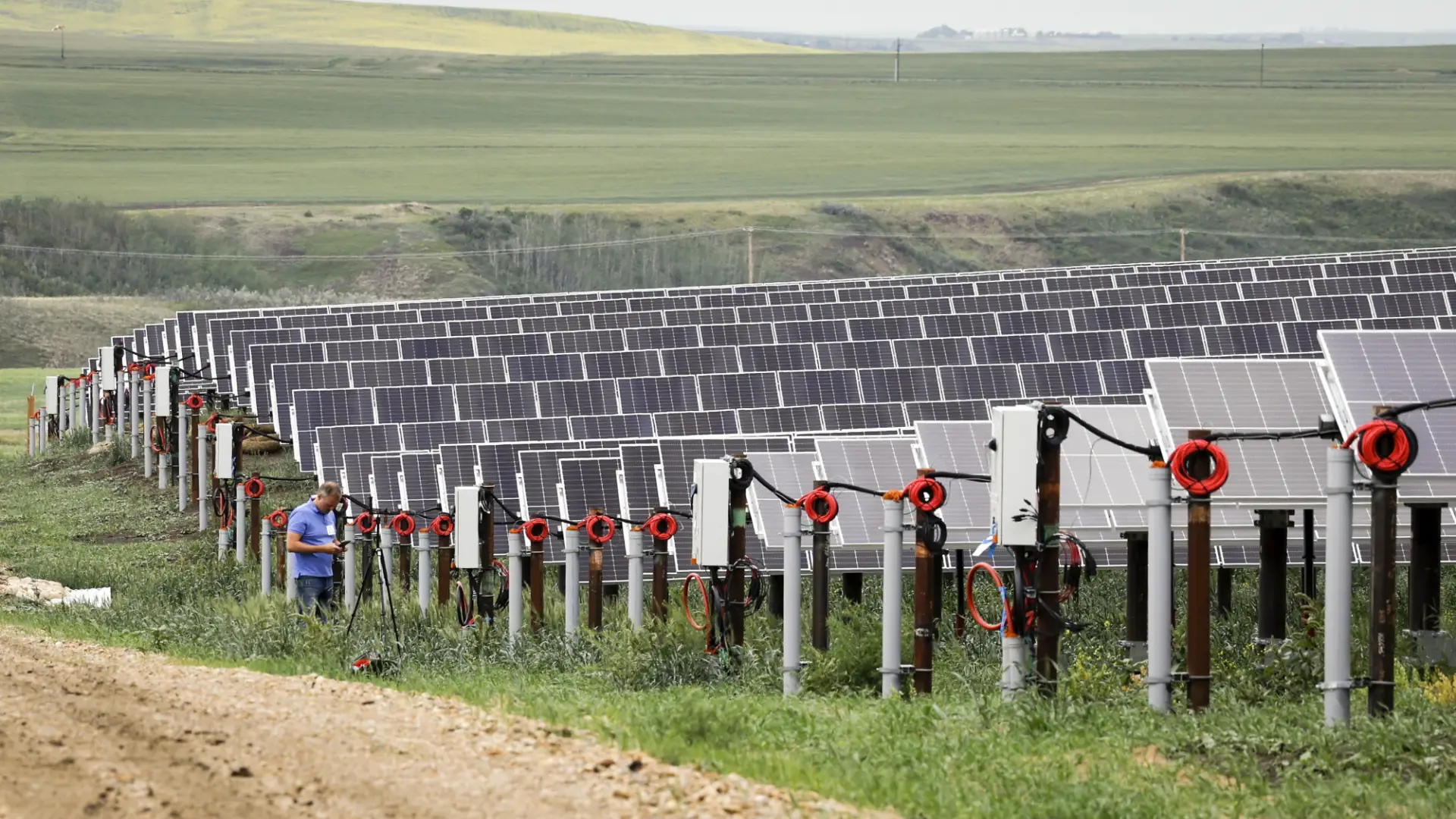
The good news is that Alberta has seen massive investments in clean energy in the past and has a natural advantage in wind and solar energy potential it can leverage to build even more low-cost renewables in the near future—if it gets the policy right. Much the same can be said for other provinces, which are taking big strides to build more clean power.
What matters most in all of this is ensuring Canadians have a secure supply of affordable clean electricity that can power better technologies that improve their day-to-day lives and save on energy bills. The Clean Electricity Regulations are the critical policy tool to help make that goal a reality.
Peter Nicholson is Board Chair, Sachi Gibson is Research Director of Mitigation, and Rick Smith is President at the Canadian Climate Institute.
The views expressed are those of the author(s). National Newswatch Inc. publishes a range of perspectives and does not necessarily endorse the opinions presented.