Canadians deserve honest public debate about the future of our economy and environment. Yet too often, activist groups confuse Canadians and undermine informed public discussion by spreading misinformation. While factual criticism aimed at improvement is laudable, many activist organizations are not seeking improvement, but rather seek to end the economic activity altogether. In pursuit of that goal, some rely on exaggerated claims and fear-based campaigns to persuade the public.
One group, Wild First, was found in 2023 to have displayed billboards in Ottawa with false information about salmon farming and had to have them removed. Just a couple of weeks ago, the group used the exact same ads. This time, they were displayed on social media, where the accountability test is much lower.
BC salmon farmers have been fighting against this misinformation for decades. It has been documented that between 2002 and 2014, up to $250 million flowed from a combination of Alaska salmon commercial harvesters concerned with Canadian competition and large California-based U.S. foundations to fund numerous organizations and movements dedicated to opposing salmon farming in BC. The resulting negative media headlines left some British Columbians thinking that salmon farming was a danger to wild salmon.
The BC salmon farming sector, once the province’s largest agri-food export, has for decades been the target of activists as an easy scapegoat for the annual fluctuations of wild Pacific salmon. While experts around the world rightly identify climate change, overfishing, and habitat destruction as the leading causes, various activist groups have become obsessed with salmon farming in BC - a sector that employs thousands of people, including more than 1,000 Indigenous workers and generates $134 million annually in economic benefits for First Nations communities. Canada’s federal government science reviews have shown the sector to pose less than minimal risk to wild salmon stocks and other fish.
Yet many activist campaigns continue to rely on outdated information and a narrative that no longer reflects today's industry.
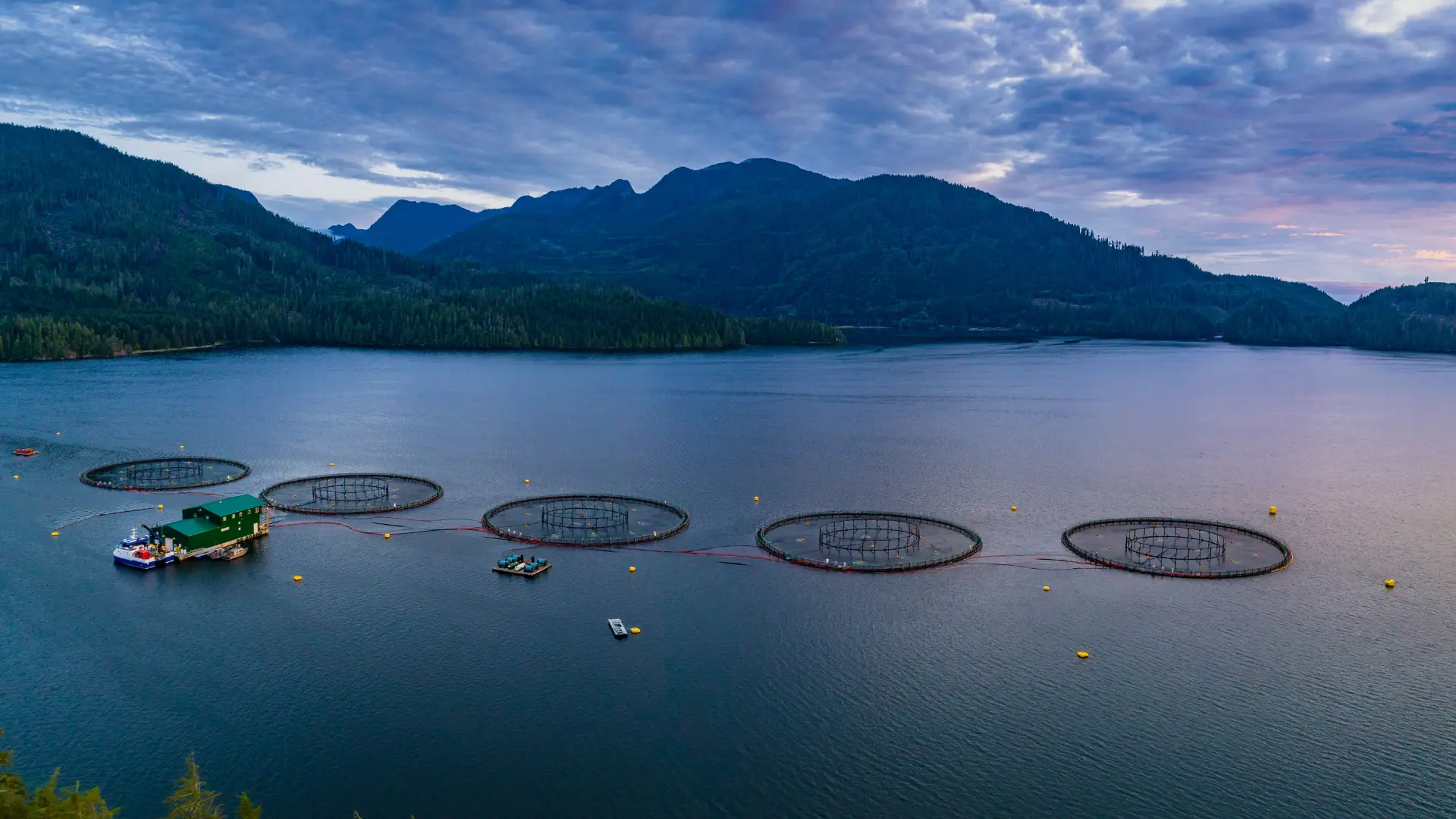
Ocean salmon farming has changed significantly over the past two decades. New technologies, improved fish health practices, and stronger environmental standards have transformed how salmon are raised. That progress has been recognized internationally. For several consecutive years, the independent London-based Coller FAIRR Protein Producer Index has ranked salmon farming companies among the world’s most sustainable large-scale animal protein producers. Seven of the Index’s top ten companies are salmon producers, including two companies operating in British Columbia that currently rank first and third overall.

This progress matters beyond the salmon farming sector itself. At a time of economic dislocation and high food costs for families, shutting down salmon farms will cause further food price impacts and will cause the loss of good, non-government jobs supporting families and communities in remote and Indigenous communities.
Aquaculture, the farming of seafood, helps prevent overfishing and now produces more food around the world than wild-capture fishing. It makes sense in our modern world: innovation and precision farming practices enable us to provide better predictability, reliability, and security for our food supply. This should apply equally to producing seafood as a highly desirable, healthy protein that the global population increasingly demands.
But aquaculture on a large scale is relatively new to the world farming scene, and because of its newness, change can naturally evoke negative emotions. You might believe, or hear from a friend, "I only buy wild-caught seafood." But the reality is our oceans are maximally fished, and seafood farmers are drawn to aquaculture as environmentalists: they believe in the need to farm the sea to meet the demands of a growing global population and to leave more of the wild to recover and thrive.
Environmental groups have their place in the marketplace of ideas and democratic dialogue. At their best, they identify real problems and push industries and companies to perform better. At their worst, they can be peddlers of misinformation and false fear, contributing to the demise of trust in our society and seeking to destroy positive, future-oriented economic activity. We need a lot more of the former and a lot less of the latter for the good of Canada. But these groups need to be held to at least the same truth and transparency standard as private corporations - which currently, they are not. We need better rules and transparency to ensure that activists who spread misinformation are held to a higher standard of accountability.
Timothy Kennedy is President & CEO of the Canadian Aquaculture Industry Alliance, which represents the interests of Canada’s seafood farmers.