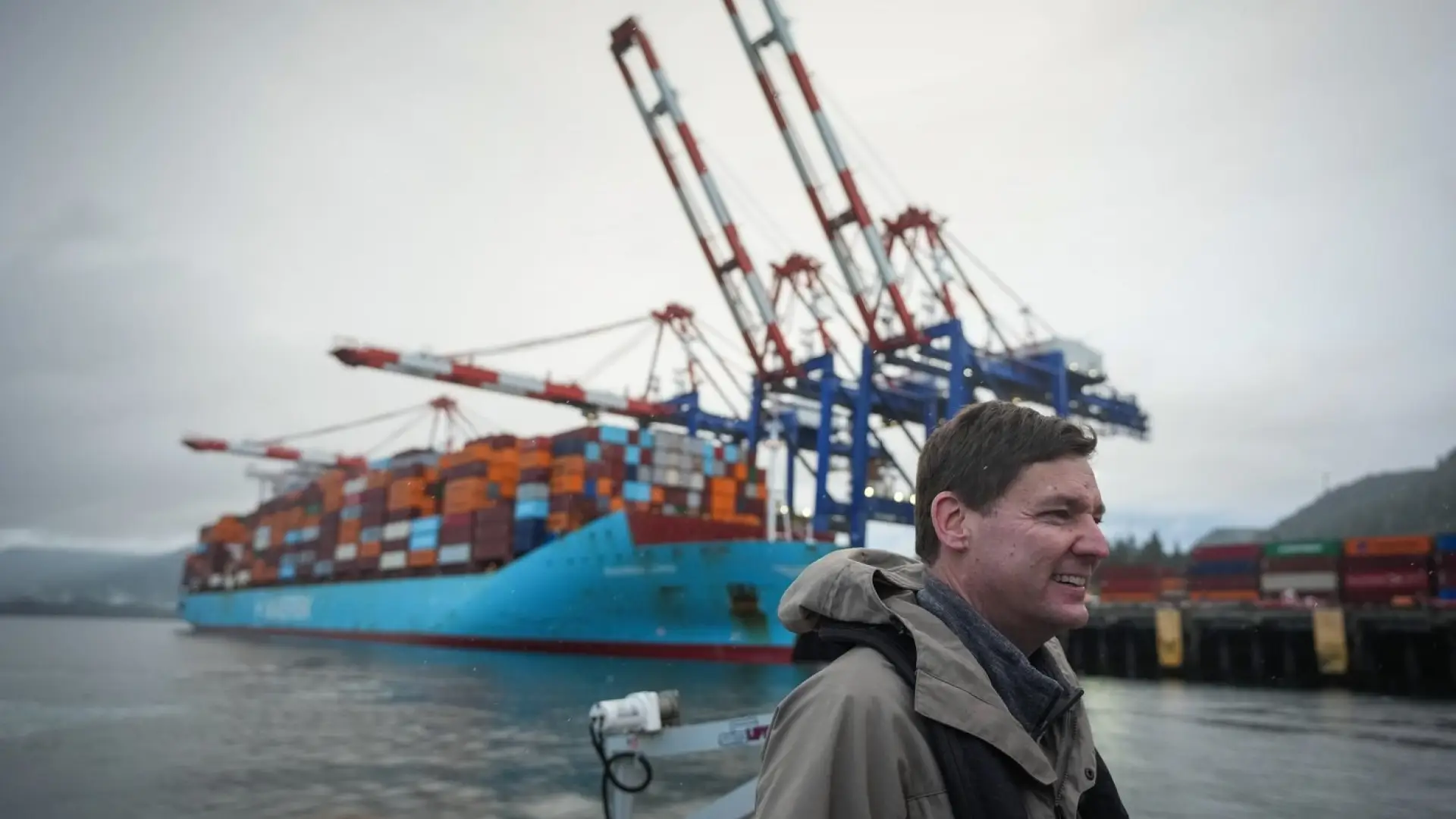
VANCOUVER -- British Columbia NDP Leader David Eby says the multibillion-dollar expansion of a liquefied natural gas export terminal off the northern coast will create jobs and change lives as his party takes credit for the project with the provincial election entering its second week.
Eby smiled as he stepped onto a stage in Vancouver shortly after Prime Minister Mark Carney welcomed LNG Canada's final investment decision on its Phase 2 expansion for Kitimat, B.C.
The NDP leader, who called a snap election last week, says the announcement is a "very big deal" that will create 4,000 new construction jobs and $28 billion in revenues for government to help fund public services.
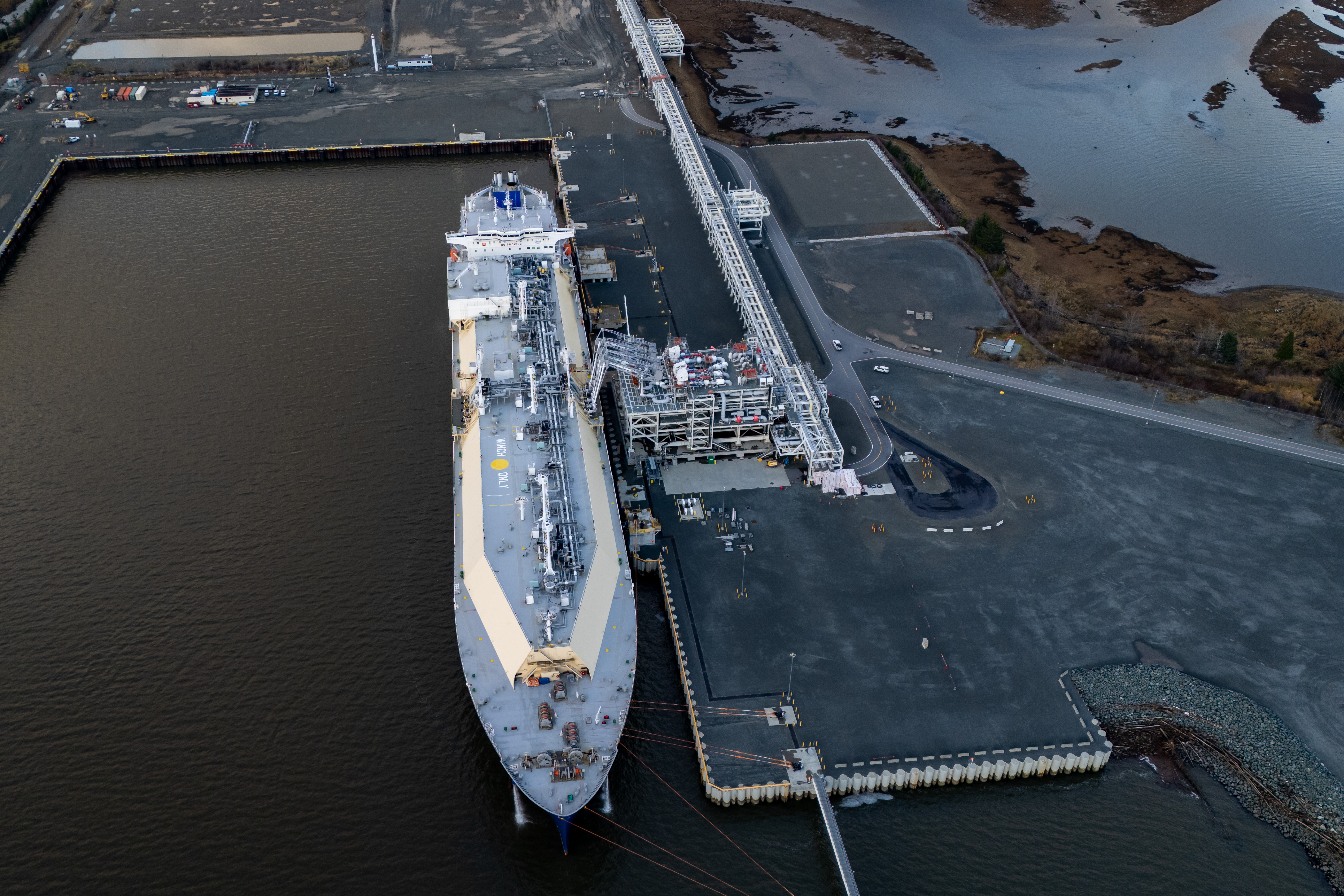
The expansion would double LNG Canada's capacity to 28 million tonnes a year and it is one of the first five developments referred to Ottawa's major projects office last year.
Eby, who appeared at the event in his capacity as premier, thanked the prime minister for moving the project forward so quickly after Carney took office.
The B.C. New Democrats put out a statement crediting Eby for securing what will be the largest private sector investment in Canadian history.
"This is a big win that will create good jobs and generate the long-term prosperity we need to deliver stronger public services for all British Columbians," Eby says in the statement. "We are seeing real momentum in B.C., but the job isn't done -- we need to keep going."
Carney didn't mention Eby past his opening address, but says that all levels of government were pulling in the same direction, along with dozens of First Nations, the private sector, workers and communities across northern B.C.
"This is team Canada at work," Carney told a group of business leaders, First Nations and politicians at an event organized by LNG Canada.
Tuesday's announcement comes a week into the election campaign that Eby called two years early.
The B.C. Conservatives announced on Monday that its government, if elected, would triple provincial LNG production by 2035, but the NDP pushed back, saying that promise already falls well below the current pace of development.
This report by was first published Sept. 29, 2026.